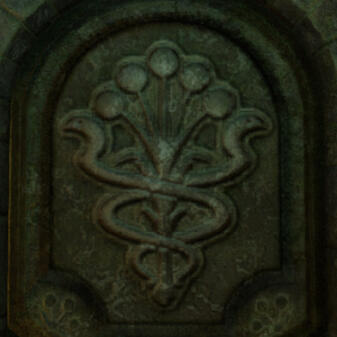
Serpents' Nest Cultural Center
Crystal
CoeurlLavender Beds ward 15, plot 53
Who We Are~~Owned and operated by the de Leval family and located deep in the South Shroud, the Serpents’ Nest is a cultural center and museum focused on Gelmorran history and the Duskwight diaspora. We offer opportunities for Duskwights to connect with their heritage and each other, as well as employment and bureaucratic aid. The door is open to all, at any hour of the day or night.Unofficially, we’re a protest and advocacy group focused on combating anti-Duskwight and -Keeper discrimination, ideally through nonviolent means. Wailers bully our communities, and the Hearers would have us believe our suffering is the will of the Elementals. We deserve better. We deserve the dignity and freedom that ought to belong to every Spoken race.~~Why Snakes?A particular symbol appears consistently in Gelmorran ruins such as Toto-Rak and Tam-Tara: two serpents wrapped around a ghostmaw plant. This is noticeably distinct from (and clearly older than) the Gridanian serpents-and-lily. In the de Leval family of Gelmorran priests, mortal snakes are venerated as embodiments of the Serpent deity of wisdom and rejuvenation.
Our Rules~~ETIQUETTE: All standard roleplaying rules and etiquette apply. This venue has a zero-tolerance policy for OOC antagonizing, hate speech, and griefing.LORE: Look, we've done our best with the crumbs we have, but we're not perfect and we don't want anyone to think we are! These are just some possibilities; if you like them, please use them.GIL: You don't need any! All gil is roleplay-only.ROLEPLAY: All roleplayers are welcome, whether you are brand-new or a seasoned veteran. Just have fun with it!SECURITY: Want to start a fight? Take it outside, please. Theft and property destruction will not be acknowledged.
This venue is ICly meant to be a safe space for those marginalized by Gridania. Wailers & Adders are not welcome in uniform.EVENTS: If you'd like to use this space for an event with your friends or free company, reach out to our Discord to ask! We don't bite.

Our Wares
Fine Handicrafts
__Replica Gold Necklace
A hand-crafted imitation of a century-old Gelmorran gold filigree necklace set with a thumbnail-size ruby, made using the same techniques as our ancestors did.Serpent Earclasps
Openwork silver earclasps made to resemble a coiled snake. The eyes are set with rose quartz.Rough Gemstones
From the earth to your hands, left uncut and unpolished. Lapis lazuli, spinel, tourmaline, and kyanite.Polished Gemstones
Our local gems, polished and sparkling.Gelmorran Pottery
Traditional blackware pottery, made by our very own staff.
__Herbal Goods
__Pomander of Steel
This enchanted pomander smells of chamomile and strengthens your corporeal aether, making it easier to take a hit.Darkvision Elixir
Vital in the Gelmorran caverns, this glimshroom-derived elixir lets you see in the dark for a bell.Gelmorran Herb Mix
A mix of traditional Gelmorran herbs and spices, used for flavoring food. Comes in hot and mild.Mun-Tuy Beans
Dried Mun-Tuy beans, sold by the sack. A staple of Gelmorran cuisine.Mun-Tuy Curd
The pressed product of fermented Mun-Tuy beans. Available in consistencies ranging from silken to extra-firm. Ask about our pickled varieties!Mun-Tuy Sauce
Beloved by Gridanian and Gelmorran alike, this sauce is a staple condiment on Gelmorran tables. Mild, medium, spicy, and Ifrit's Kiln varieties available.Dried Mushrooms
Dried crimini, oyster, chanterelle, and morel mushrooms, sold by the bag.
__The Back Room
__
Ochu sap? Milkroot? Pinup art of Brayflox? Pomanders that give you the strength of ten men? Ancient Gelmorran grimoires? Incendiary anti-Gridanian solidarity literature? You might find it here.
Cloth & Clothing
__Diremite Silk Cloth
Woven from the Serpents' Heart's own diremites following Gelmorran tradition. Available undyed or in a variety of solid shades.Diremite Silk Thread
Silk thread in a variety of weights, available in multiple colors.Replica Gelmorran Garb
Shirts, skirts, trousers and shawls, made just the way your ancestors did!Masks
A selection of wood, cloth, and leather masks, such as the ones worn in Old Gelmorra to protect the wearer from the Elementals.Replica Weaponry
Ask our proprietor!
__Art & Literature
__Replica Gelmorran Art
Have you been admiring one of our paintings on display? Take a color print home with you!Devotional Statuary
Gelmorra had its own versions of the Twelve. They are represented here in six-ilm and one-fulm clay statue form, with a space to put a small candle.Lingua Gelmorra
An Old Gelmorran language primer for speakers of the Common tongue.Dancing in the Deep, A Gelmorran Treatise
A slim book outlining Gelmorran contributions to the culture and technology of Eorzea.The Serpents' First Song: A History of Gelmorra
A thick, heavy tome tracing the history of Gelmorra through primary sources, with particular care paid to its living descendants. Foreword by R. Soleil.More goods available.
__Free Pamphlets
__We also stock a variety of free pamphlets on the following topics:
* job opportunities in Thanalan and Coerthas
* knowing your rights when stopped by a Wailer
* local meetups, mixers, etc.
* what to do in case of suspected woodsin
* traditional Gelmorran recipes
* publicly available resources courtesy of the Adventurers' Guild

Our Menu
Drinks
__Spring
__
Lavender Gin Cocktail
Sloe gin and lavender citrus syrup forms a fizzy, delicious drink.Violet Vodka Lemonade
Sugar beet vodka, lemonade, and violet syrup make a drink that's bright, floral, and punchy.Summer
__
Summer Fruit Sangria
Fruit and kedtrap wine; what's not to love?Peach Brandy
The product of local peach trees, still tasting of the summer sun.Autumn
__
Deep Honey Mead
Fresh from local hives, honey is fermented into this deceptively potent mead.Beesting
A mix of deep honey mead and apple cider. Seems innocuous, until you've had about three of them and wind up on the floor.Winter
__
Tailfeather Ale
A Coerthan import, this ale is warm and nutty, laying heavy on the tongue. Keeps you warm even through an endless winter!Mulled Wine
A dry red wine mixed with cinnamon and cloves, served warm with a twist of orange peel.Year-Round
__
Mun-Tuy Brew
A potent, pungent liquor brewed from local Mun-Tuy beans. The recipe dates from the founding of Gelmorra.Mushroom Wine
This purple, mildly hallucinogenic wine is brewed from local mushrooms and has a dry, earthy taste. The Serpents’ Nest takes no responsibility for any visions you may have.Kedtrap Brandy
Brewed from kedtrap fruit, this brandy is sweet with a fiery finish and undertones of apples.
__Entrees
__Fried Carp
Fresh Velodyna carp, battered and fried! Served in a bowl over turnip fries.Mun-Tuy Beans & Greens Stew
Mun-Tuy beans, mushrooms, and a mix of foraged greens simmered in a garlicky broth.Chestnut & Mushroom Stew
A rich bowl of mushrooms and chestnut stew, just like Grandmere used to make.Grilled Eel
Juicy grilled eel brushed with honeyed Mun-Tuy sauce and served on a bed of wild spinach.Turnip & Mushroom Pie
A stomach-filling pie of root vegetables, onions, garlic, and mushrooms.Diremite Casserole
A hearty, spicy, cheesy serving of mushroom and diremite casserole.Rootslake Crawdad & Wild Rice Étouffée
Wild rice smothered in spicy, buttery crawdads, served with green onions.Cave Stir-Fry
Mun-Tuy bean curd noodles, oyster mushrooms, and fresh kedtrap greens fried with Mun-Tuy sauce.
Bar Bites
__Devil’s Salad
A mix of foraged greens and grilled ghostmaw pads topped with deviled eggs and drizzled with a spicy, creamy dressing.Steamed Mun-Tuy Beans
Salty, green Mun-Tuy beans sold in a small bag, for snacking.Roast Waxworm
Tastes like pine nuts! Served by the bag.Dragon Pepper Poppers
Dragon peppers stuffed with antelope cheese and roasted over open flame.Deep-Fried Cicadas
Fried cicadas tossed with salt and honey mustard.Mun-Tuy Pancakes
Mun-Tuy beans, fermented cabbage, scallions, and boar bacon make up these flavorful pancakes.Mushroom Toasts
Chopped, sauteed mushrooms and onions on hearty rounds of garlic toast. Perfect for soaking up all your drinks.Grilled Spider Skewers
Juicy charcoal-grilled spider legs coated in herbs and butter.Grenouille
Four grilled frog legs on a stick, brushed with an herbaceous sauce.Antelope Skewers
Grilled antelope on a stick. Choice of Mun-Tuy, herb, or mustard sauce.Fried Diremite
Bite-sized pieces of battered, fried diremite served with dipping sauce. Choice of Mun-Tuy or honey mustard.Assorted Pickles
Cucumbers? Beets? Eggs? Olives? You name it, we pickle it in a garlicky, slightly spicy brine.
__Desserts
__Black Locust Beignets
Sugary, flaky, vanilla-y fritters made of fried black locust flowers. Served warm.Stinging Nettle Donuts
The decadent taste of spring...and Shroud lemons. Honey-glazed.Ice Cream
Home-churned Mun-Tuy ice cream, rich and creamy. Choice of snurbleberry, rolanberry or chocolate. Sprinkles extra.Honeyed Fruit Salad
Mixed fruit in season, drizzled with honey and (optional) a squeeze of lemon.Sweet Bean Dumplings
Dumplings made of Mun-Tuy flour, filled with sweetened Mun-Tuy paste.Kouign Amann
A traditional round pastry of the Coerthan Duskwight diaspora, similar to a croissant but with layers of caramelized sugar.
__Nonalcoholic Drinks
__We offer water, Mun-Tuy milk, Thanalan black tea, and herbal tea (chamomile, violet, bog-myrtle, mint, or linden).Switchel
Water and fresh fruit vinegar, sweetened with local honey and flavored with rolanberry and mint.Chicory & Dandelion Coffee
Sadly, won't give you the energy of real coffee. Tastes pretty close, though.

Our Exhibits
In keeping with our mission, we here at the Nest have prepared several exhibits of Old Gelmorran objects found or donated by our staff. All are displayed with permission and attribution. Modern replicas and/or repairs are noted.Many replicas available in our gift shop upstairs! Ask a staff member for replica (nonmagical) weaponry.
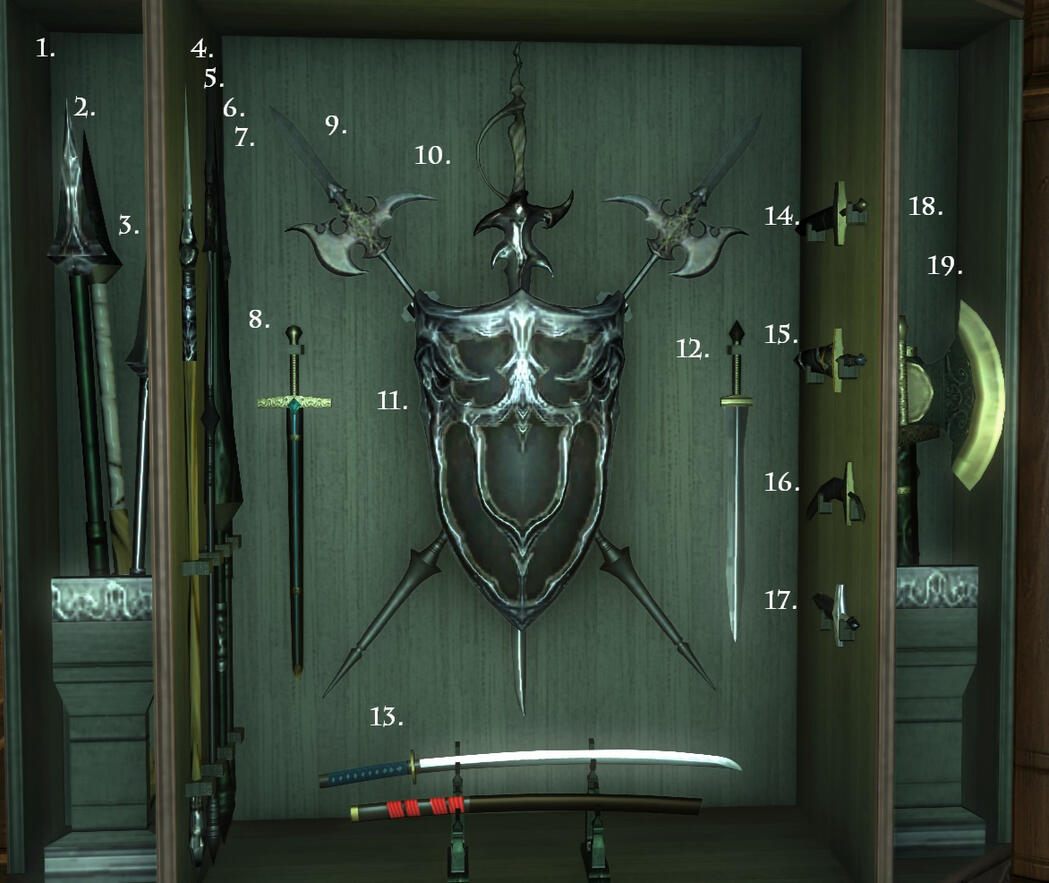
1) Black-bladed Spear:
This early example of Gelmorran spear crafting was once borne by Queen Ellisande I in the First Voidsent Wars.2) Black and White Spear:
This two-toned spear was created as a ceremonial weapon for Princess Anyena, and was never intended for combat.3) Steel Spear:
This plain, unadorned spear was found marking the grave of Gelmorran warrior Hugiebert. His ghost speaks from within it at every new moon and enjoys being dunked in ale.4) Serpent-Decorated Spear:
The highly realistic snake (East Shroud lesser viper) along the blade of this spear marks it as the property of a Gelmorran serpent priestess, currently on loan to the Serpent’s Nest.5) Stone-Bladed Spear:
Originally crafted by the Nboli clan of Keepers, this spear dates from the reign of King Tanneaux.6) Lance:
Bears a carved unicorn on the haft, signifying Coerthan trade. Lightly charred.7) Black-Hafted Spear:
This simple spear’s haft is made from ebony and is still warm to the touch.8) Cross-Hilted Sword with Green Stone:
This well-made sword was intended for the hands of a High Priest, but never saw combat. It hung above his descendants’ fireplace for many years until its donation.9) Two Crossed Halberds:
Once in the possession of King Galvanth the Dominator, though it is unknown whether he ever carried either of them into battle. Slight wear on both handles. The leftmost one has a contemporary haft.10) Two-Handed Sword:
This impressive longsword was created by Bartelleux the Smith for King Galvanth the Dominator. Probably not cursed.11) Shield:
Once in the possession of King Galvanth the Dominator, with several nicks and dents showing combat damage from the Second Voidsent War.12) Wasp-Waisted Sword:
Possibly Fifth Astral Era. Glows in moonlight.13) Curved Sword:
This slender curved sword has been preserved with its scabbard from the short-lived reign of Queen Astrilde.14) Iron Shortsword:
This simple sword was modeled on blades from the mountains of Abalathia’s Spine, brought south by intrepid traders.15) Stone-Bladed Shortsword:
Blades chipped, flaked, or carved out of large sharp-edged stones are a Gelmorran tradition, and this one shaped by geomancy is no exception.16) Curved Shortsword or Long Knife:
This unusual curved blade, used by Atherinne of the Glass Lake to maintain control of her network of underground rivers, grants the wielder the ability to hold their breath for two full bells.17) Long Knife:
A standard example of a long knife used for utility work. Leather hilt wrappings are modern replacements.18) Longsword:
A simple longsword once used by a Gelmorran warden. The blade is still very sharp.19) Two-Handed Axe:
A heavy battleaxe with unusual leaf carvings on the haft.
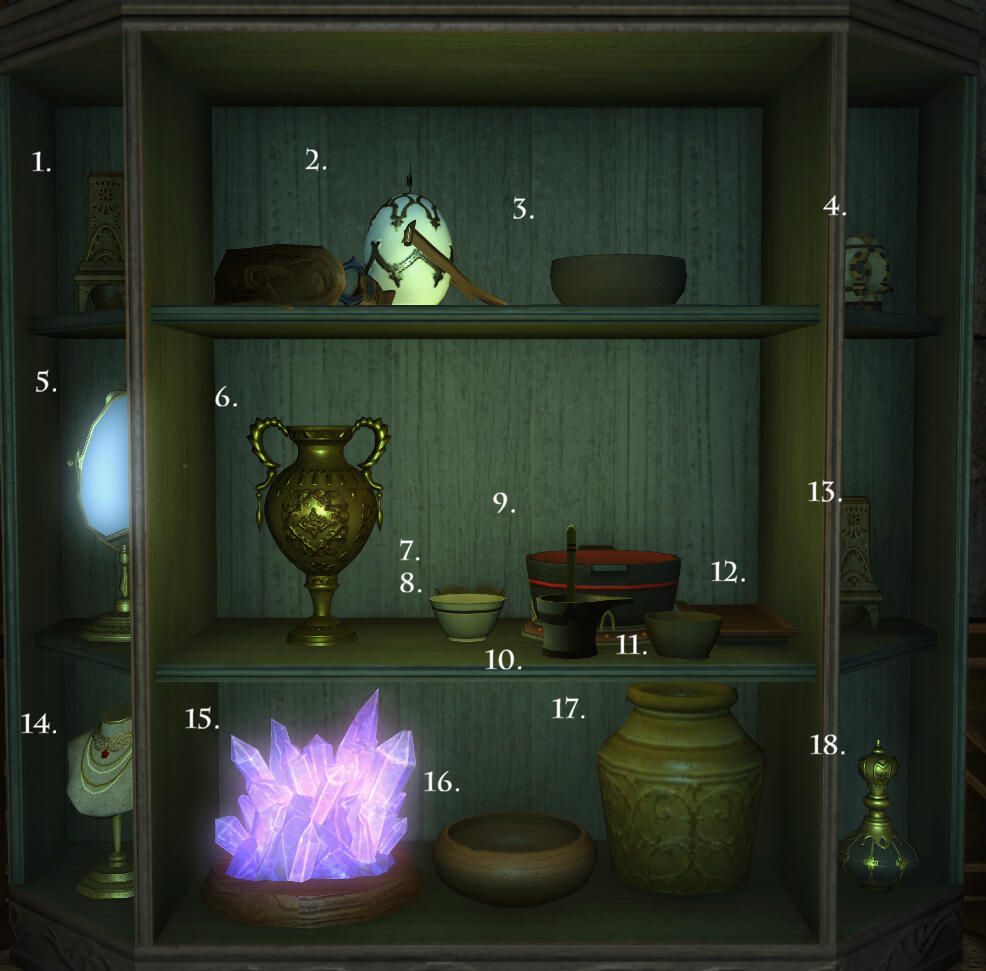
1) Clay Pomander:
An elegantly fluted pomander molded from clay with a flower design. Analysis of the contents reveals a spell of alteration.2) Porcelain Pomander:
A white, egg-shaped pomander. Its carrying strap is a reproduction; the original disintegrated upon exposure to air.3) Plain Bowl:
A plain bowl of carved stone used to hold Mun-Tuy beans. Frequently missing from the case when the kitchen needs it.4) Incensory:
Incensories like these are used in religious rituals to this day, burning sweet-smelling herbs in supplication to the gods. This one contains fogweed and milkroot residue.5) Mirror:
A mirror of polished silver set in gold. The thin slice of clear quartz protecting the silver is a modern reproduction.6) Golden Aquamanile:
Aquamaniles were used to hold water and wine for religious ceremonies, but the location of this one in Issom-Har suggests it was an everyday drinking vessel for a wealthy family. The large dent bearing traces of voidsent blood suggests why nobody's wanted it back.7) Flower-Shaped Bowl:
This porcelain bowl has been elegantly carved in the shape of an opened lotus, the petals glazed very pale green.8) Plain White Bowl:
A simple bowl of the sort still used today in many Duskwight houses. Carved of white marble with thin gray veins. Frequently pressed into service during the dinner rush.9) Large Red-and-Black Pot:
The staple crop of Gelmorra is mun-tuy beans. This pot was once used to cook them, as well as other meals. Structure suggests it once had a lid, which has since been lost.10) Mortar & Pestle:
Modern replica of a stone mortar and pestle used to grind herbs.11) Plain Cup:
A clay cup, chipped along the base. Contains trace residue of mun-tuy liquor.12) Long Dish:
This simple clay dish is typical of the tableware of Gelmorran households. It was broken in half and patched with newer clay in antiquity.13) Clay Pomander:
This clay pomander has been formed in the shape of a tall mushroom. Repairs date from 1550 6AE.14) Gold Necklace:
A delicate necklace consisting of two-ilm-wide gold filigree, a central ruby drop, and alternating swags of gold chain and faceted rock crystal.15) Raw Amethyst Crystal:
This massive amethyst has been mounted on a wooden stand for display, but otherwise left untouched. The bottom of the stand bears the name “Glastinelle.”16) Large Wooden Bowl:
A plain wooden bowl used to serve meals. The large crack is likely why it was found in a midden pit.17) Terracotta Pot:
When found, this ancient pot still contained several ponzes of dried Mun-Tuy beans, which were no longer edible. (We checked.)18) Gold Enameled Pomander:
This exceptionally elaborate pomander was likely intended for ceremonial or decorative use, as many of the enameled panes are still intact. It was found in the grave of Prince Galvanth the Red, father of King Galvanth the Dominator.
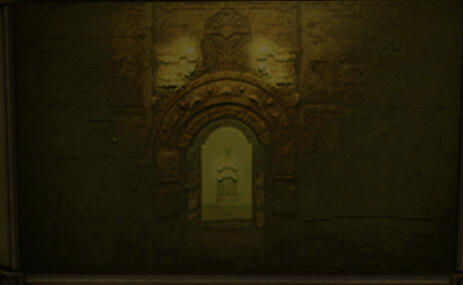
“Coming Home” – Imberlain TerrechantAn arched hallway and two windows into a brightly-lit interior room, possibly the receiving room at the royal croft. The earliest attested painting by Imberlain Terrechant, showing the delicately blended colors for which he would become famous.
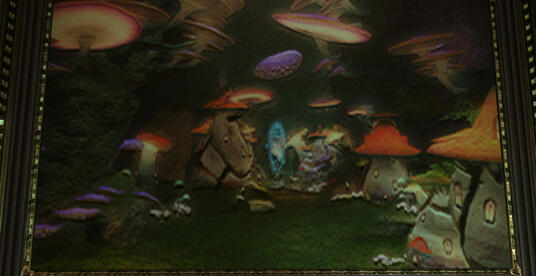
“A Living Feast” – Gwenolie KempThese towering mushrooms, a staple of the Gelmorran diet and way of life, were painted from life by Gwenolie Kemp, a leading light of the early Foundational period before her fall from grace and transformation into a wildling.
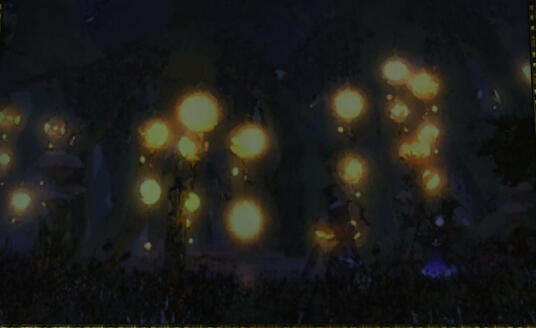
“Stars Under Heaven” – Augustin BeaudonetUnderground rivers and lakes were vital to the Gelmorran ecosystem; some of them, such as the Sunless Lake underneath the West Shroud, were large enough to have ecosystems of their own. This watercolor painting depicts glowing pods hanging from the roots of massive trees, illuminating the dark water.
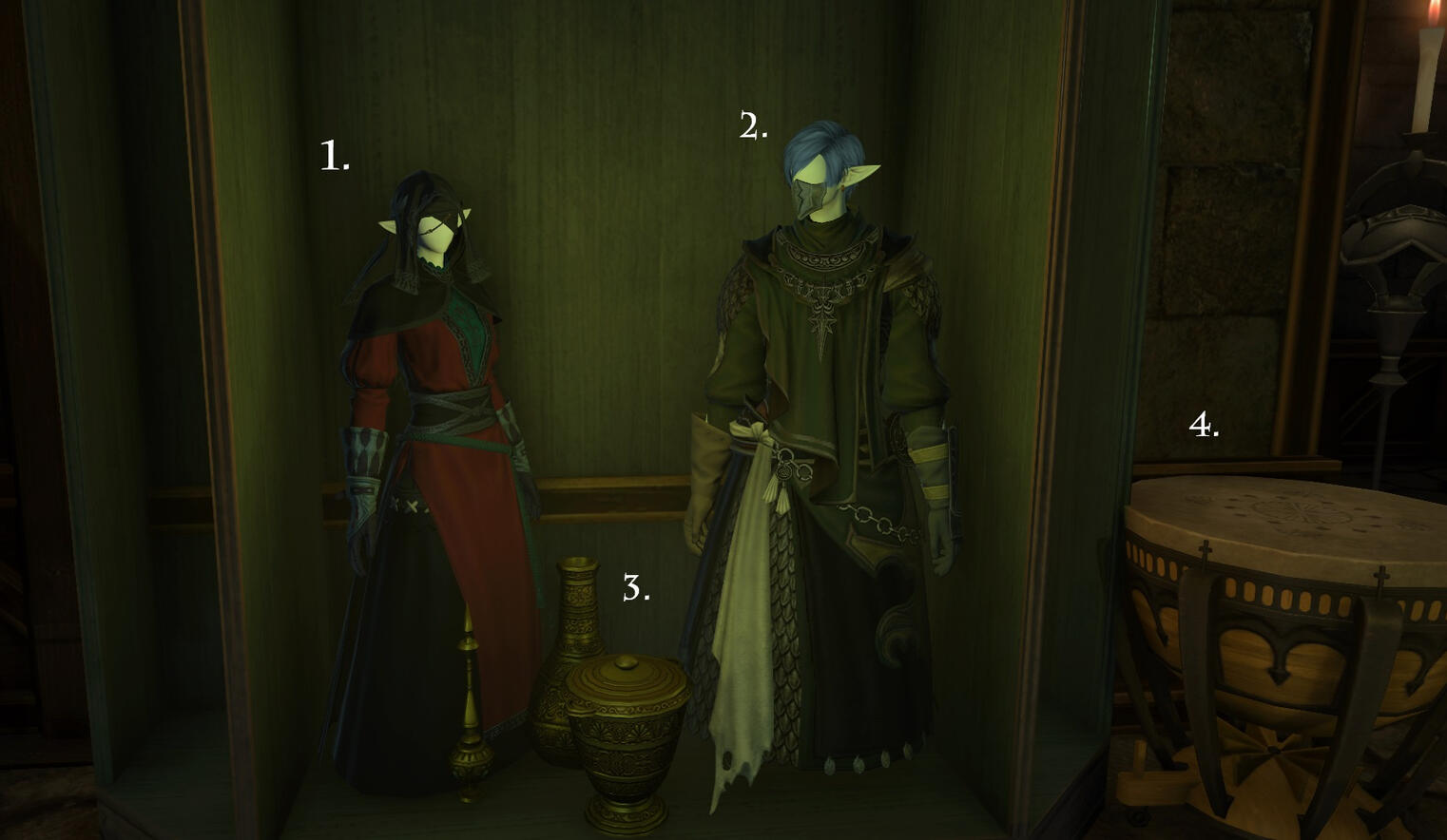
1) Everyday Gelmorran garb featured dark colors and rich embroidery, often in metallic thread or decorated with gemstones. Outside of their homes, they often covered their hair for the sake of practicality. This mannequin is also wearing an eye covering embroidered with fluttering bats for good luck.2) Gelmorra defended the borders of their crofts fiercely both above and belowground. This mannequin wears the garb of a Gelmorran warden, complete with half-mask to befuddle the senses of the Elementals.3) Gelmorran metalwork is known for its high quality. These containers were found deep below what is now called Toto-Rak and are believed to be ritual offerings.4) Music was a vital part of Gelmorran life. Given the acoustics of caves, bells and percussion instruments were popular. This drum is a modern reproduction. Surviving musical notation tends towards bass notes and steady beats in tempos that lend themselves well to dancing, and complicated dance steps remain a part of Duskwight culture to this day.
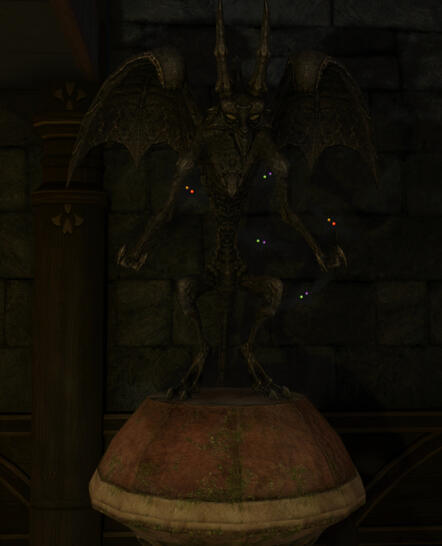
VoidsentGelmorra was, and is, a vast and sprawling underground kingdom. Barred from the surface of the forest save for the most cautious of circumstances, the builders dug downwards. And they dug very, very deep.Gelmorra suffered repeated voidsent attacks throughout its history as void portals were unearthed and buried again. Though the city was originally founded in large part by Amdapori refugees, this in no way tempered the natural curiosity of Spoken towards the void; more than a few voidsent were summoned on purpose to be turned against Gelmorra’s enemies. Lower levels of the city are known to have strange geometry even today, and are not recommended for any but the most well-armed archaeological expeditions.
